
Get an Instant Quote
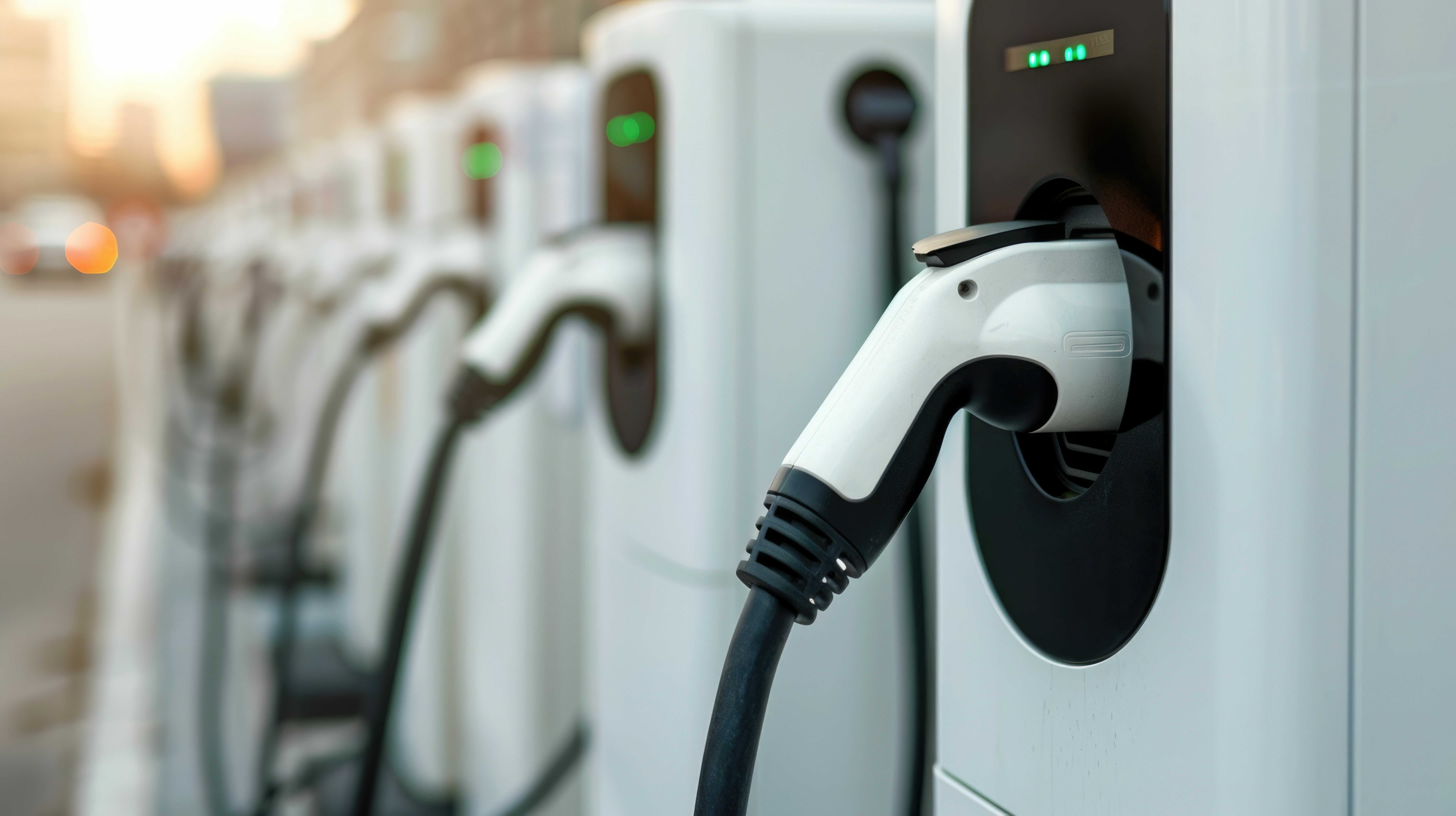
Closeup view of electric fleet charging stations at a company s vehicle depot showcasing the modern infrastructure and technology solutions for sustainable transportation and electrified mobility

The End of Free Electric Car Tax: What Changed in April 2025

By | EV | No Comments

The UK government had provided electric car owners with road tax exemption for years until April 1st 2025, when new Vehicle Excise Duty rates became effective for electric vehicles.

People who already own electric vehicles or plan to purchase one should expect these new changes to affect their financial situation. Electric vehicles have lost their tax exemption since the government implemented new Vehicle Excise Duty charges, which now subject them to the same tax requirements as petrol and diesel vehicles.

What You’ll Pay for New Electric Cars

Electric vehicles registered from April 1st 2025, will need to pay £10 as their first-year tax before moving to £195 for subsequent years. The new tax system applies to every new electric vehicle regardless of its price point and size.

The government established a temporary low £10 tax rate for the initial year to help owners transition, but owners will face the standard annual rate of £195 beginning with their second year.

The Expensive Car Problem

Electric car buyers will face substantial costs from the current tax system. Owners of brand-new electric vehicles priced at £40,000 or more will need to pay an additional £425 annually, in addition to the standard tax rate. The expensive car supplement will apply to your vehicle during the first five years of ownership, starting from the end of your first year.

The initial year tax for new electric cars priced above £40,000 costs £10 while owners must pay £620 annually for the following five years before the rate drops to £195 starting from year seven.

The expensive car supplement affects 70% of new electric vehicle buyers because most new electric cars fall into this higher price category.

What About Existing Electric Cars

The tax changes for existing electric car owners depend on when they purchased their vehicle before April 1st 2025. All electric cars registered from April 2017 to March 2025 pay the annual rate of £195 without any extra charge, even though their original price exceeded £40,000.

Existing owners will benefit from substantial savings because of this change. The road tax savings for pre-April 2025 registrations will exceed £2,000 during the first six years when compared to identical vehicles registered under the new regulations.

Electric Vans Join the Party

The new regulations extend beyond cars to include all vehicles. Owners of electric vans and light commercial vehicles will need to pay £335 per year for road tax starting from April 2025.

Company Car Benefits Still Attractive

Electric cars continue to attract company car users despite the rise in road tax costs. The 3% benefit-in-kind tax rate for electric cars after April represents a substantial advantage to users of salary sacrifice schemes, even though it increased from 2%.

Why the Change Happened

The government predicts that removing tax exemptions will have a minimal impact on electric vehicle adoption, as road tax expenses are relatively small compared to total car ownership costs. Electric cars maintain their running cost advantages, especially when home charging is available, and they keep their fuel duty exemption and city congestion charge exemptions.

The tax reform brings electric vehicles under the same taxation framework as other vehicles while ending a temporary incentive that was meant to boost early electric vehicle adoption. The government supports electric car sales growth while aiming to ban petrol and diesel cars by 2030, so they no longer need tax incentives to boost adoption.

Planning Your Purchase

The timing of your electric car purchase has become essential for anyone who wants to buy an electric vehicle. The tax implications of the March and April 2025 registration will result in substantial additional tax expenses for vehicles throughout their lifespan, especially for high-end models.

Electric cars no longer receive complete tax exemptions under the new system, yet they maintain various financial benefits which appeal to numerous drivers.

Understanding these costs at the beginning allows you to determine if an electric car suits your financial situation and driving requirements.

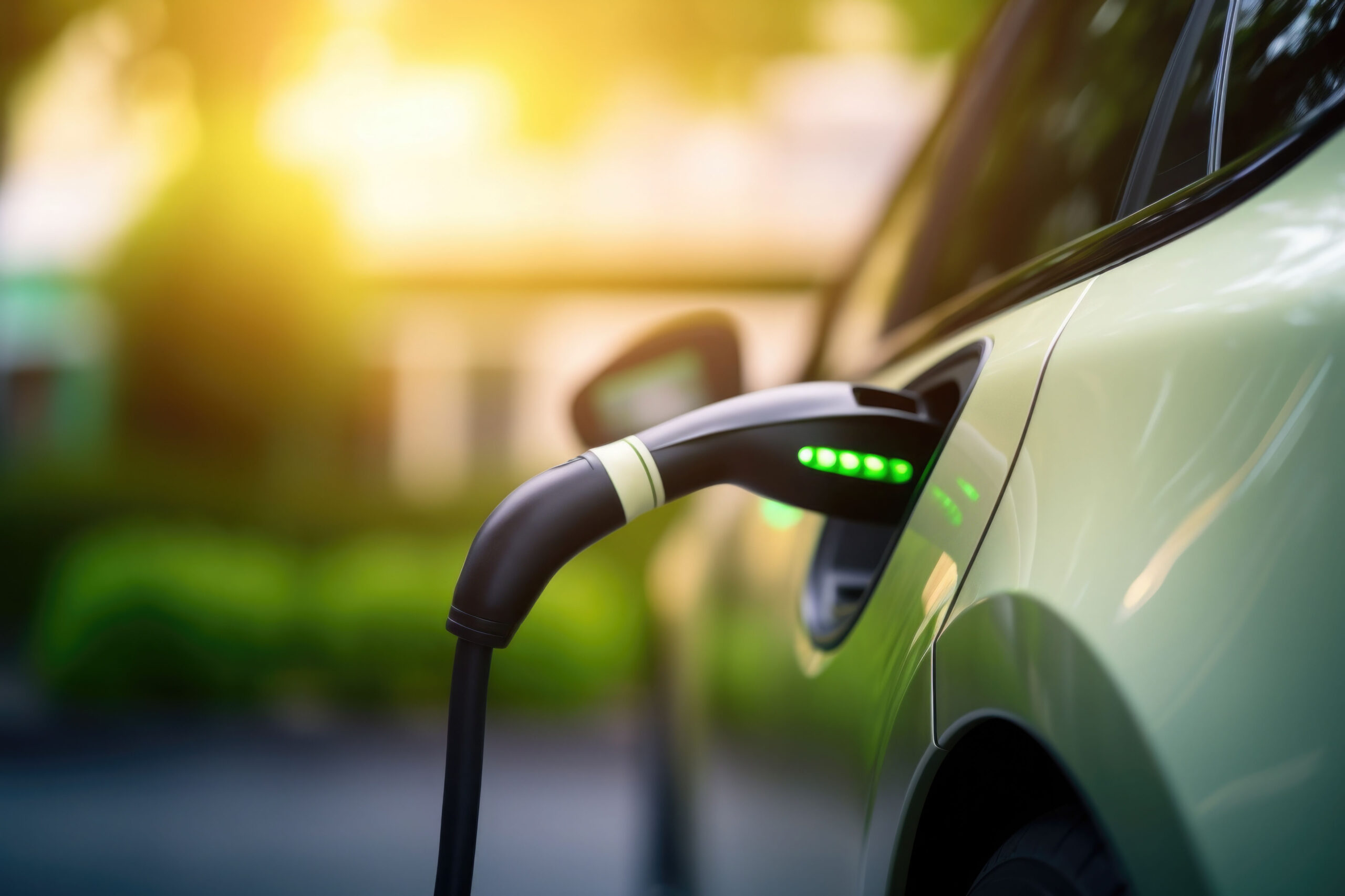
Electric car at charging station with the power cable supply plugged in. Generative AI

New EV Charging Rules

By | EV | No Comments

The United Kingdom will enforce updated standards for all public electric vehicle (EV) chargers starting from June 2025 to achieve standardisation and increase transparency. The significant updates include:

Mandatory Card Payment Options

The practice of needing to download various applications to charge your car has become obsolete. The installation of new public chargers requires the acceptance of standard debit and credit card payments. The existing charging infrastructure must incorporate card readers and contactless payment systems before December 2025.

The change brings significant advantages to drivers who manage multiple charging apps and accounts during their journeys. People who occasionally need to travel outside their normal charging range will find this system particularly beneficial.

Price Transparency Requirements

  • Charging networks must now display:
  • The pricing system uses kWh as its unit, rather than minutes or sessions.
  • The system displays the estimated total cost to the user before the charging process begins.
  • The system provides real-time updates on charging status.
  • The system displays a complete cost breakdown after the charging process is finished.

Charging stations now provide complete billing transparency, eliminating sudden, unexpected fees and payment misunderstandings. Session fees and additional hidden costs will soon become a thing of the past.

Reliability Standards

The operators will face penalties if their charging stations fail to reach the minimum uptime requirements:

  • The system requires 99% uptime availability for rapid charging stations that operate at 50 kW and above.
  • Standard chargers need to achieve 95% uptime availability.
  • The system allows fault reporting, which triggers a maximum 48-hour repair duration.
  • Charging networks need to provide real-time status updates through mapping services, allowing users to check charger availability before visiting.

What This Means for Your Wallet

The new regulatory requirements will change all current pricing structures at charging stations.

Potential Price Increases

Network operators have begun notifying customers about slight rate increases due to necessary compliance expenses. Early indicators suggest:

  • Major networks have reported that they will increase their electricity prices by 2-3p per kWh.
  • Prices at smaller, independent charging locations may experience greater rate increases.
  • Some charging stations charge different prices for using a card versus a payment application.

As these changes take place, we will revisit this article and keep you updated.


Fragile

What are fragile goods?

By | GOfers Guides, Packaging | No Comments

“Fragile goods” is the term used to describe items that can be easily broken or damaged, including (but not limited to) glass, marble, tiles, porcelain and electricals such as TV screens. While we at GOfers ship fragile goods, anything classed as fragile must be correctly packaged to go into the courier network.

We do have a comprehensive guide available for packaging fragile or awkward items; read more here: – but it is essential to understand how different types of items need to be packaged. Take glass, for example. Packaging glass requires a lot of care, cushioning and consideration to prevent breakages, whereas liquids (another type of fragile item) require perhaps less cushioning but a lot more consideration in terms of its own packaging as well as the outer packaging used for delivery.

Types of fragile goods

As above, there are a range of different types of fragile goods; these include:

  • Delicate materials – glass, porcelain, china, ceramics, plaster
  • Musical instruments – examples include string instruments, electronics such as keyboards, drums, lutes and anything wooden
  • Collectibles such as ornaments and photo frames
  • Laboratory materials like test tubes and other glass items and thermometers
  • Computer components such as keyboards and screens

Labelling fragile goods

There are various ways that people choose to label their fragile goods. This rages from simply writing “fragile” on the outside to using specific “fragile goods” boxes that are very clearly labelled from the start. You can also buy FRAGILE stickers that can be used to label the outer packaging.

Whichever way you choose to make people aware that the contents are fragile, you also need to remember to add a return address. This ensures that the box and its contents can be returned in the event of not reaching their final destination, as well as giving the recipient an address if they do need to return anything in case of breakages (or indeed, for any other reason).

Insurance

If you need to ship something fragile, don’t forget to insure both items and add courier insurance. All of our same day deliveries include up to £50,000 of goods in transit insurance and we can increase your insurance cover for more valuable items.