Top tips on how to pack your items so they arrive as lovely as when you sent them off, avoiding stresses and customer issues for damage during transit
We are still waiting for the government to release UK recycling stats for 2017 but the data we do have up to 2016 indicates that, overall, there has been a marked increase in recycling. We’re keen to capitalise on this and keep our services as eco-friendly as possible.
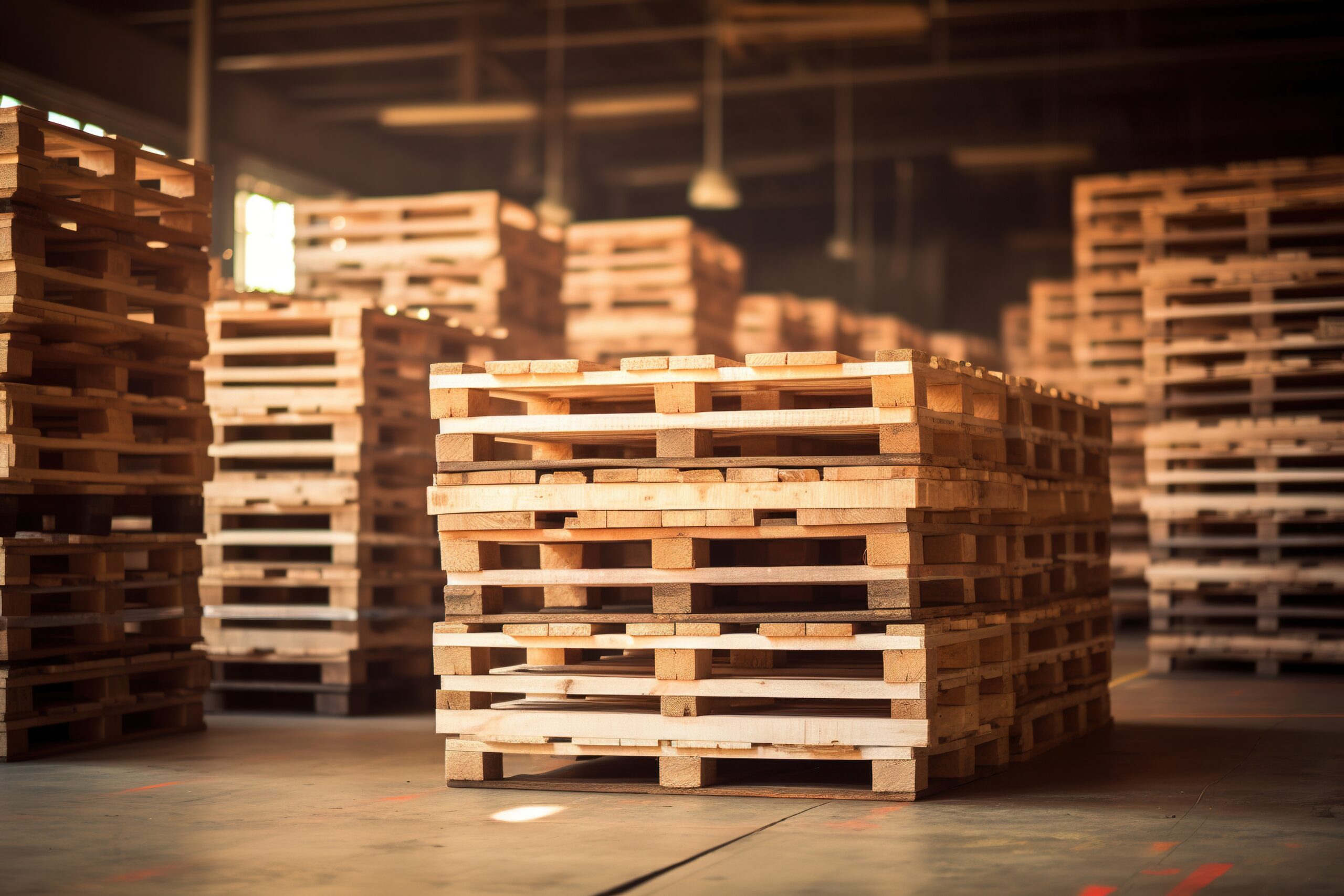
We see a lot of pallets in our job; it’s to be expected really, but we probably overlook them these days and don’t put a lot of thought into where pallets come from and how they can be recycled and/or reused moving forward. Do you put a lot of thought into any pallets you encounter?
“Fragile goods” is the term used to describe items that can be easily broken or damaged, including (but not limited to) glass, marble, tiles, porcelain and electricals such as TV screens. While we at GOfers ship fragile goods, anything classed as fragile must be correctly packaged to go into the courier network.
We do have a comprehensive guide available for packaging fragile or awkward items; read more here: – but it is essential to understand how different types of items need to be packaged. Take glass, for example. Packaging glass requires a lot of care, cushioning and consideration to prevent breakages, whereas liquids (another type of fragile item) require perhaps less cushioning but a lot more consideration in terms of its own packaging as well as the outer packaging used for delivery.
As above, there are a range of different types of fragile goods; these include:
There are various ways that people choose to label their fragile goods. This rages from simply writing “fragile” on the outside to using specific “fragile goods” boxes that are very clearly labelled from the start. You can also buy FRAGILE stickers that can be used to label the outer packaging.
Whichever way you choose to make people aware that the contents are fragile, you also need to remember to add a return address. This ensures that the box and its contents can be returned in the event of not reaching their final destination, as well as giving the recipient an address if they do need to return anything in case of breakages (or indeed, for any other reason).
If you need to ship something fragile, don’t forget to insure both items and add courier insurance. All of our same day deliveries include up to £50,000 of goods in transit insurance and we can increase your insurance cover for more valuable items.
Getting food products into the hands of your customers can present some unique challenges. Not only does the food need to arrive fresh and unspoiled, but it must also be kept at the right temperature levels during transit. Room temperature, chilled, and frozen food items require different storage conditions that can be tricky to manage.
To ensure your food products arrive in the right condition, there are some steps you can take before and during shipping. To help, we have put together a few tips to ensure your food shipments stay fresh and safe!
Some foods are considered more high-risk than others. For example, ready-to-eat items, dairy and fresh meat need to be kept at a certain temperature range during shipping and storage. If they get too warm, food safety regulations can be violated, resulting in an unacceptable product with a shorter shelf-life.
As a business, you must ensure you’re meeting both government regulations and industry standards. That means shipping foods at the correct temperature range with the help of temperature-controlled packaging, as well as correctly labelling all parcels.
When delivering food items, you need packaging that will keep your product safe and preserve its freshness. The type of material, insulation, and climate-control system you select will depend on the food items being shipped. Insulated liners are best for chilled products, while an ice pack or dry ice can keep fresh and frozen items cold.
Always consider food safety and transport time when selecting a packaging option. Even if you think you have chosen the perfect packaging, planning and considering any contingencies is essential.
In some cases, additional boxes or ice packs may be required to ensure your food items stay fresh for longer.
To help your food arrive in the same condition you shipped it, you must take extra steps to protect it. That means avoiding cross-contamination or crushing during transit.
Ice packs, dividers and cushioning materials can help keep different food items separate within the package. This will also add extra protection against crushing, which is especially important when shipping delicate food items. No one likes to receive a box of broken eggs or squashed tomatoes!
Additionally, you must maintain proper food safety and hygiene during packaging. That includes sanitizing all surfaces and taking special care when handling perishable items.
Don’t forget to keep meat products separate from other food items when packaging to avoid cross-contamination. This falls in line with food safety regulations and helps maintain the integrity of your products.
Finally, selecting the right delivery option for your food products is crucial. While you might have packaged the food correctly and used the right materials, it won’t matter if you don’t choose a reliable shipping company that can deliver your products in time.
You want a quick, reliable service with tracking included. Consider whether the courier you’re using has experience in shipping food products and whether they deliver directly.
We pride ourselves on offering direct and guaranteed deliveries. That means your food items will be delivered by the same driver throughout their journey, which helps to ensure quality control and peace of mind!
Food packing and shipping can be a challenge. It requires careful consideration of the product, packaging materials, and delivery service to ensure your food reaches its destination in the right condition. By following these tips and understanding shipping requirements for different foods, you can ensure your food items remain safe and fresh during transit!
Whatever industry you’re in, it’s important that you start preparing for the upcoming festive season to ensure you meet any urgent deadlines
Using packaging to protect your items in transit is a must, but which is best? We have put together a pros and cons list, so you make the best decision
If you plan to ship food, you need to make sure that it is protected during transit. Read further for how to package fresh, frozen and baked goods for delivery
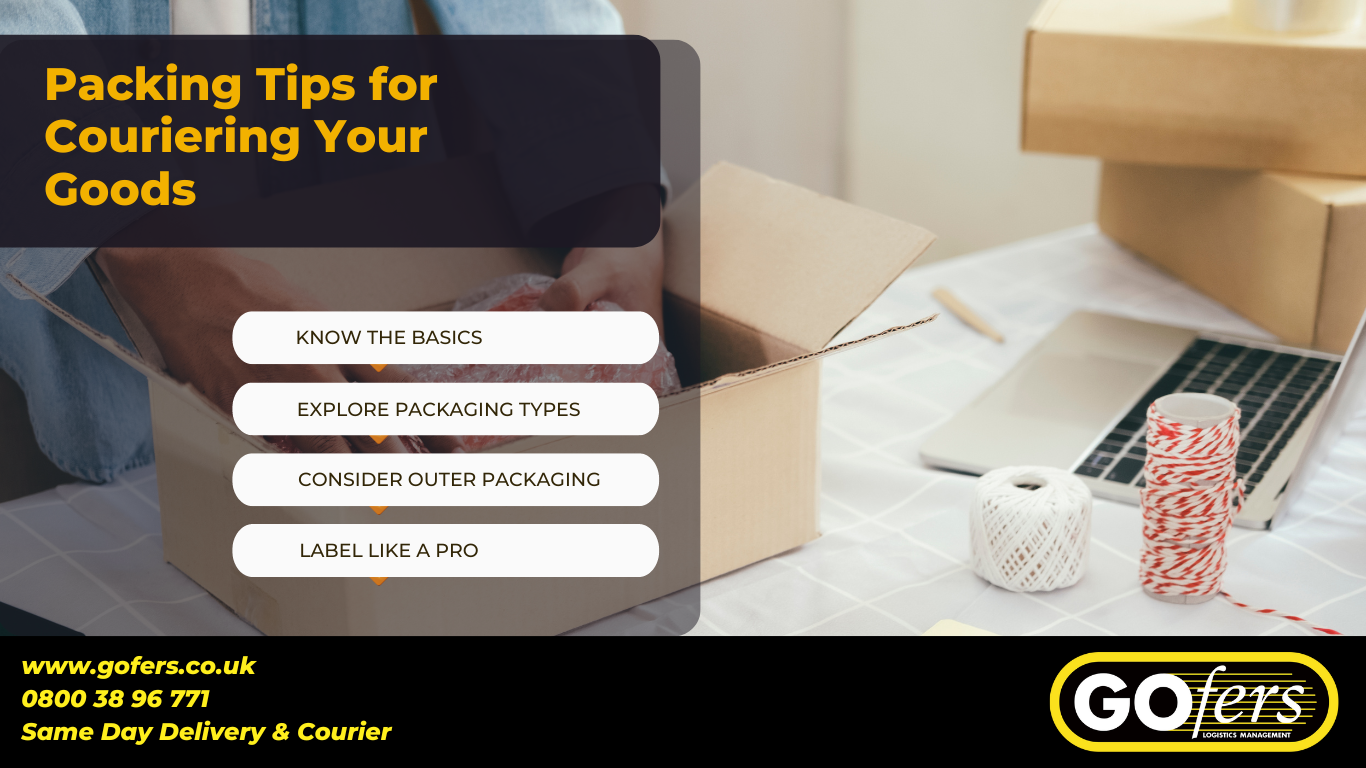
Labelling parcels can be slightly daunting, but we have some tips for you that can make the process easier and ensure your parcel moves from A to B without any issues
Make sure you are aware of all of the factors that are included with document delivery and how they positively or negatively impact the documents journey