Businesses must weigh the trade-offs between cost efficiency, delivery speed & environmental impact to ensure a logistics strategy that supports overall objectives
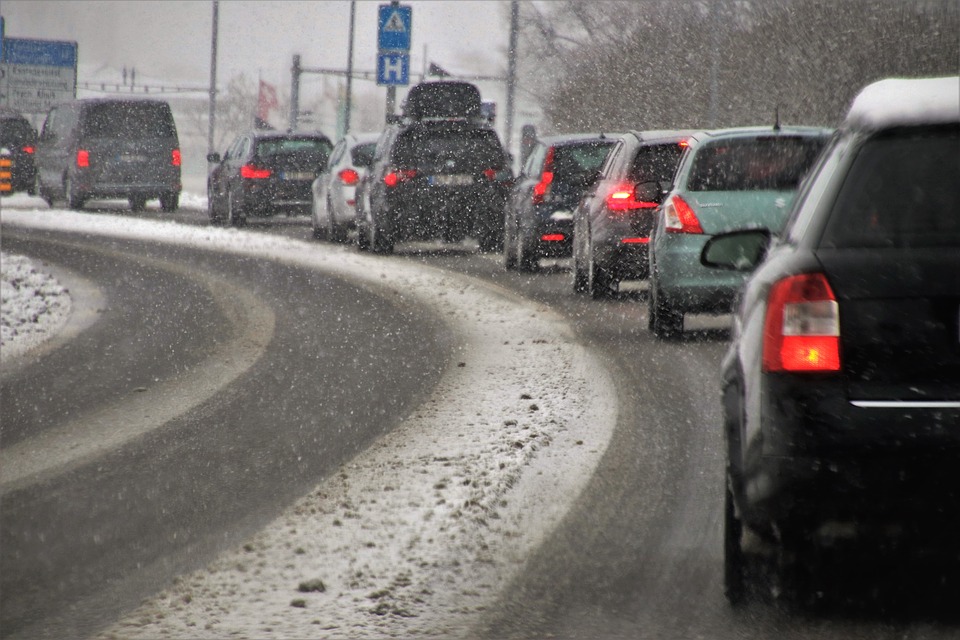
Winter can pose a unique set of challenges on the roads for courier drivers; as the temperature drops the need for vigilant vehicle maintenance becomes even more important
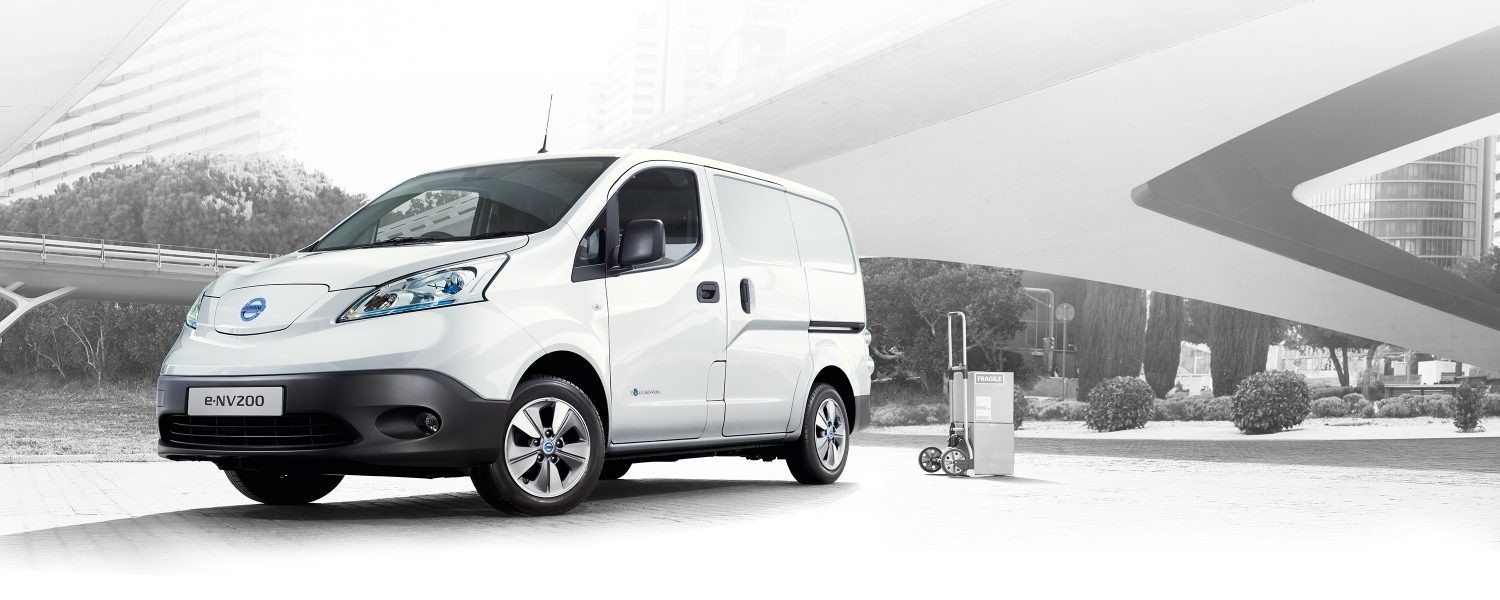
It can be confusing knowing which van is best to serve your needs; please read our handy guide to choose the best type of van to suit your delivery
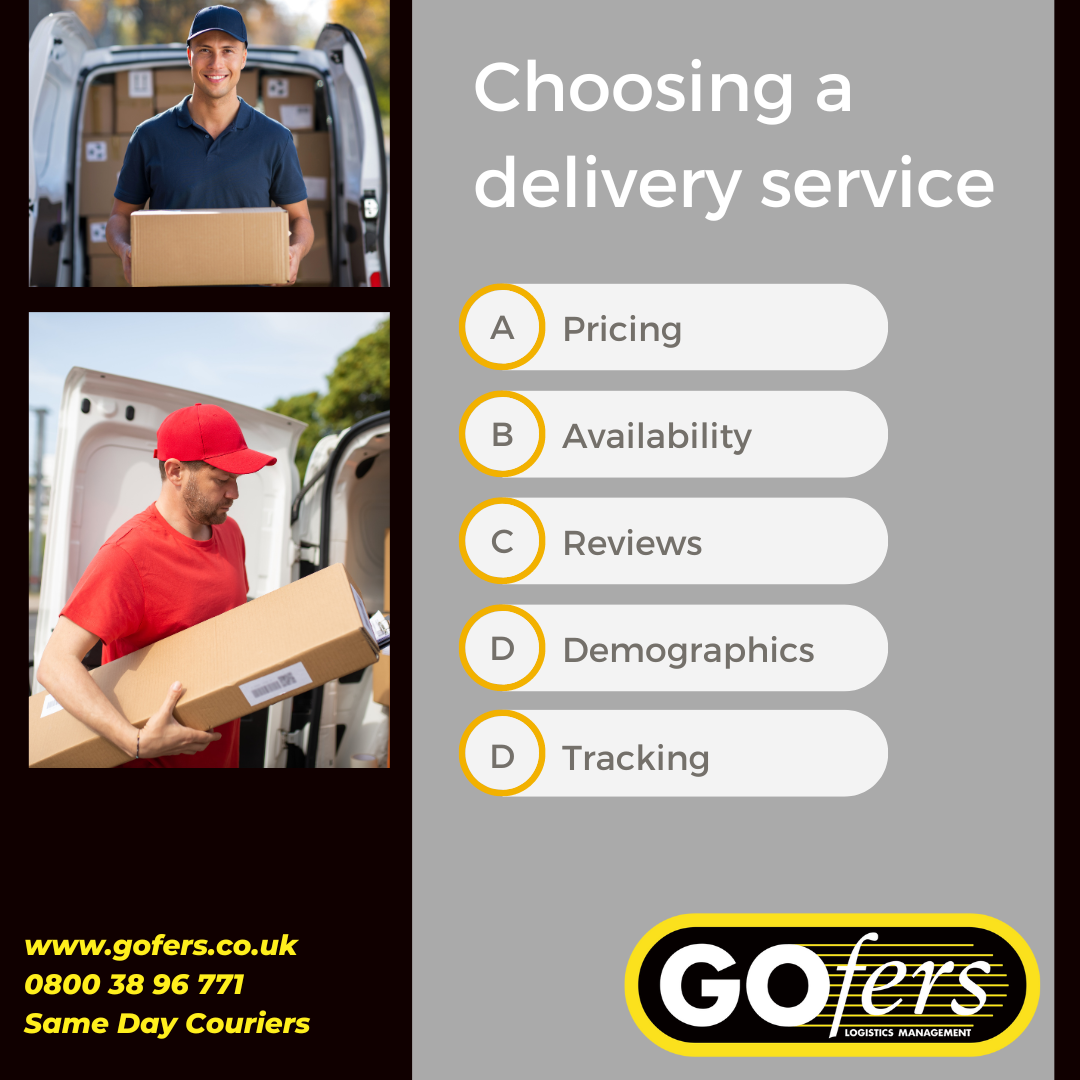
When normal snail mail won’t do for urgent document deliveries, it’s time to look at your same day delivery options, but how do you know which one is best?
When it comes to businesses, you need efficiency. But when it comes to that last hurdle, what do you do? Last-Mile Delivery is often overlooked, and it can be what makes or breaks your relationship with any clients you have.
eBay have recently announced that the listing fees for buying and selling clothes have been removed for private sellers, cue a rise in people listing clothing on the eBay marketplace. With competition in the second-hand marketplace fierce between platforms such as eBay, Vinted and Depop, it’s little wonder that eBay have made this decision, however many people do complain that eBay’s postage services are a barrier to listing. Whilst eBay do offer integrated shipping through Packlink, the Packlink tool is soon to be retired and postage will have to be purchased using the eBay platform, which has led to concerns that sellers will only be able to use the couriers listed on the eBay platform (such as Yodel, Evri and Royal Mail).
Please bear in mind that this cut in fees on clothing sales only applies to private sellers; registered business sellers will still need to pay fees on clothing sales.
Regardless of what it is you’re selling, the answer is no – but it is harder to find the right options if you don’t want to use eBay’s preferred couriers. The key to getting your delivery options correct on eBay is to ensure you offer the right services when you list your items.
If you wish to use a different courier, you can navigate to the Domestic Delivery screen and then into the Delivery Service menu, whereby you can click into the size and weight of your item(s). in this area, you will find an “Other” option and it’s in here you can find the option to use “Other Courier” and then a timescale; for example, “Other Courier (3-5 days), “Other 48h Courier” or “Other 24h Courier”.
By selecting one of these options, you can then set the postage amount the buyer pays based on cost you know your preferred courier will charge (be sure to get this information right, or you may be undercharging or overcharging the buyer on the postage).
Many sellers (Business and Domestic) offer free delivery; it’s a great inventive to buyers. However, there’s still a postage cost to pay even though the seller isn’t paying it. Using this option however does mean you aren’t committing to any of eBay’s recommended courier services and can use a courier service of your choosing.
You may wish to have your buyers collect their items, in which case you don’t need to specify a postage cost or courier service.
Yes – as well as your primary courier, you can also then add an Additional Domestic Service. This is important if you want to add options for same day delivery in 24h, 48h delivery, or 3-5 days delivery using your preferred courier.
You can use the eBay Seller Hub to manage your postage and courier options. The Business Policies page enables business sellers to choose the payment, postage and return details for buyers, which saves time if you list on a frequent basis as you won’t have to select the correct options every time.
If you’re clocking up the miles like a champ, you already know that life on the road can be a bit rough on the old back. Turns out, back pain is a real mood-killer for courier drivers, and not something to take lightly. This blog is a chill space where we’ll chat about some top tips to keep your back feeling good, even after hours on the road.
So, what’s the deal with courier driving? Well, you’re sat behind the wheel for ages, aren’t you? It’s not a quick hop to the shops; it’s more like a marathon of asphalt and engine noise. While you’re out there delivering engine parts, documents, medical supplies and who knows what else, your back’s taking the brunt of it. The key culprits messing with your spine? Dodgy posture and sitting still for too long.
Let’s not get too nerdy, but a bit of science won’t hurt. Your back pain usually kicks in because of the way your spine gets squashed when you’re driving. Imagine your spine’s like a spring; if it’s always compressed, it’s gonna start complaining. The bad news? Long drives mean your spine is in that compressed position for way too long.
Let’s kick off with your ride. Believe it or not, not all vehicles are created equal when it comes to comfort and back health. Some are like sitting on a cloud, while others can feel like you’re sitting on a plank of wood. The type of vehicle you’re in can really impact how your back feels at the end of the day.
So, if you have the option, aim for a vehicle that’s got proper lumbar support and adjustable seats.
Let’s talk ergonomics. Sounds fancy but it’s really just about making sure your work environment, in this case, your vehicle, is as body-friendly as possible. Start with your seat. You’re going to want it at a height where your knees are at about the same level as your hips. Steering wheel too far away? Bring it a bit closer so you’re not leaning forward. Trust us, your back will thank you.
You wouldn’t run a marathon without warming up first, right? The same goes for sitting in the same position for ages. Your back muscles need some love, too. So, every now and then, like during fuel stops or when you’re waiting for a pick-up, get out and stretch a little. Try a few twists or even just touch your toes. A minute or two can work wonders and keep you from getting stiff.
So, to wrap it up, your vehicle choice can make a big difference, setting up your seat and steering wheel properly is a game-changer, and a bit of stretching goes a long way. Keeping these things in mind can help you avoid those nasty aches and make your driving life a whole lot better.
Utilising same day & next day delivery services enable businesses to market proficiently, adding reliability and the portrayal of a dynamic entity in the industry
Getting food products into the hands of your customers can present some unique challenges. Not only does the food need to arrive fresh and unspoiled, but it must also be kept at the right temperature levels during transit. Room temperature, chilled, and frozen food items require different storage conditions that can be tricky to manage.
To ensure your food products arrive in the right condition, there are some steps you can take before and during shipping. To help, we have put together a few tips to ensure your food shipments stay fresh and safe!
Some foods are considered more high-risk than others. For example, ready-to-eat items, dairy and fresh meat need to be kept at a certain temperature range during shipping and storage. If they get too warm, food safety regulations can be violated, resulting in an unacceptable product with a shorter shelf-life.
As a business, you must ensure you’re meeting both government regulations and industry standards. That means shipping foods at the correct temperature range with the help of temperature-controlled packaging, as well as correctly labelling all parcels.
When delivering food items, you need packaging that will keep your product safe and preserve its freshness. The type of material, insulation, and climate-control system you select will depend on the food items being shipped. Insulated liners are best for chilled products, while an ice pack or dry ice can keep fresh and frozen items cold.
Always consider food safety and transport time when selecting a packaging option. Even if you think you have chosen the perfect packaging, planning and considering any contingencies is essential.
In some cases, additional boxes or ice packs may be required to ensure your food items stay fresh for longer.
To help your food arrive in the same condition you shipped it, you must take extra steps to protect it. That means avoiding cross-contamination or crushing during transit.
Ice packs, dividers and cushioning materials can help keep different food items separate within the package. This will also add extra protection against crushing, which is especially important when shipping delicate food items. No one likes to receive a box of broken eggs or squashed tomatoes!
Additionally, you must maintain proper food safety and hygiene during packaging. That includes sanitizing all surfaces and taking special care when handling perishable items.
Don’t forget to keep meat products separate from other food items when packaging to avoid cross-contamination. This falls in line with food safety regulations and helps maintain the integrity of your products.
Finally, selecting the right delivery option for your food products is crucial. While you might have packaged the food correctly and used the right materials, it won’t matter if you don’t choose a reliable shipping company that can deliver your products in time.
You want a quick, reliable service with tracking included. Consider whether the courier you’re using has experience in shipping food products and whether they deliver directly.
We pride ourselves on offering direct and guaranteed deliveries. That means your food items will be delivered by the same driver throughout their journey, which helps to ensure quality control and peace of mind!
Food packing and shipping can be a challenge. It requires careful consideration of the product, packaging materials, and delivery service to ensure your food reaches its destination in the right condition. By following these tips and understanding shipping requirements for different foods, you can ensure your food items remain safe and fresh during transit!
When it comes to same day or next day courier services, the speed of delivery can be a make-or-break factor. Which is the best option for your business?