
was successfully added to your cart.

Cart

Get an Instant Quote
Business document

Digital vs Paper Documents

By | Couriering Documents | No Comments

In our modern, eco-friendly world it’s becoming commonplace to see less paper and more digital documents, and certainly in some situations it makes more sense to do this. Printing paper for the sake of it just creates waste and unnecessary recycling, but there are times when a paper document is still essential!

  • Certain legal and/or financial documents still require a printed copy, as they will need to be signed or receive a notary’s seal.
  • Sales teams working in remote areas or areas where the internet is not readily available will be best with a hard copy of any documentation that needs to be presented.
  • Certain sales transactions, such as when selling a car, will need legal printed paperwork and receipts for the customer to prove that work has been carried out and paid for.
  • Likewise, companies taking receipt of goods, especially those of high value, will want to keep a printed copy of the invoice and receipt for proof of purchase. The sender will also want a copy of proof of sale/shipping in case a problem occurs during transit

Continued Analysis

As technology progresses and the lines between digital and paper documents become thinner, it is important that any paperwork being printed and kept in physical format is analysed on an ongoing basis for importance and not being printed just out of force of habit.

Points to bear in mind when printing documents include:

  • Document safety – does the document contain sensitive information and, if so, how is it protected in printed form?
  • Will the document be kept for a reason and for a considerable amount of time? If it’s just being printed for a single use then will be no longer needed, do you really need it printed at all?
  • Cost – Paper and ink cost money. Will your boss be happier if you keep it digital?
  • Storage – again, can be costly, especially if you’re adding documents that also exist in a digital environment. If you are printing with the intention for the document to be stored, make sure you’re only printing the essentials.

Keeping documents stored in a cloud based / digital environment is not without its potential pitfalls:

  • Security is very important. Adding a password to an important document or save location is the first step to adding basic security controls, but also make sure anyone managing a digital storage environment knows how to add/edit user access controls.
  • As mentioned above, will the storage location be accessible to all users, even if they cannot connect to the Internet? Will they need to download their own hard copies and will this be a contravention of your company’s digital policy?
  • What happens to the company if the Internet goes down? Are all the computers backed up so hard drive failure is not a problem?

That said, digital documents do come with their own set of benefits:

  • Searchability – easier to search within a file location or document by phrase, name etc than it is to find a document that hasn’t been filed properly
  • Infinitely more environmentally friendly than printed documents, even with the energy cost of running the internet, computers and servers to manage the digital workspace
  • Enhanced user controls for access and protection, with options to even limit access to specific people. Easier than a padlock or PIN pad for sure.
  • Digital editing options, rather than Tippex!

As we said above, there will always be situations where people require printed documents and if you fall into this category then it’s just important to ensure that the documents are being printed for a reason, that they are valuable enough to keep and be used, and that storage options are in place if required.

We offer same day document delivery at competitive prices across the UK, with no minimum spend policy. Contact us for a tailored quote or use our instant quote tool online to book your GOfer today.

winter road

Driving Safe in Winter

By | Britain's Roads, Winter Driving | No Comments

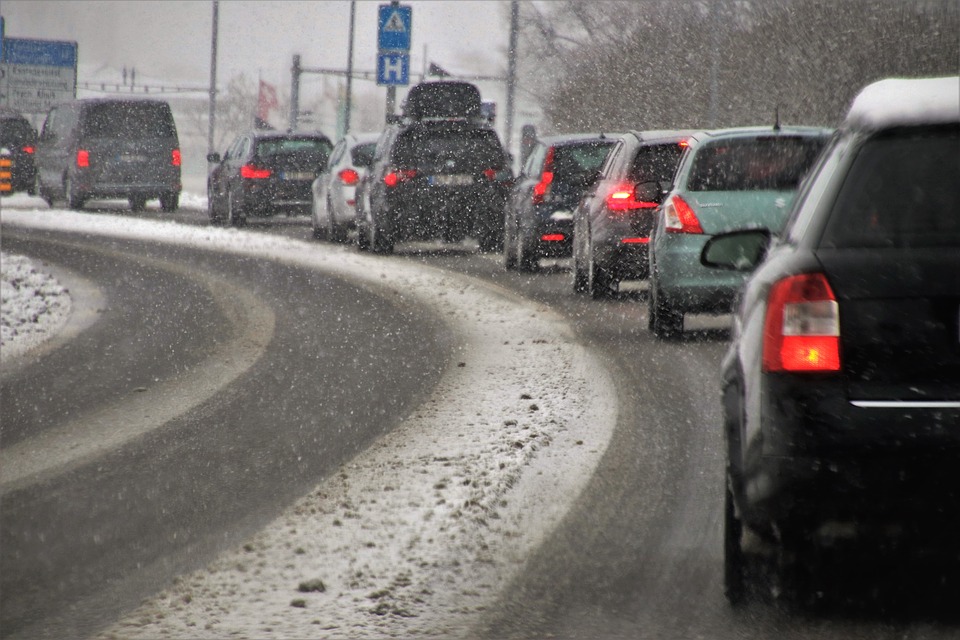
Winter 2019 is definitely on the way and we’re making sure all of our drivers are prepared for their courier runs as the weather turns. Following on from our blog on using Winter tyres, we wanted to share our advice on overall safe driving during the chilly season!

Prepare

Make sure you’re prepared for the conditions in which you will be driving. Watch the weather forecast and keep an eye on it as the day progresses – who doesn’t have a weather app on their phone to check!

It’s best to have everything you need in your car, so a list of items would ideally include:

  • De-icer for icy windows
  • Scraper for frost and ice
  • Warm blanket in case of breakdowns
  • Warm clothing, inc jacket, hat, gloves and scarf
  • Spare change for unexpected parking charges
  • Shovel, in case you get stuck in the snow
  • Salt, as this can help to melt very thin ice
  • Snacks and a bottle of water, either for drinking or using to melt the ice on your windscreen (don’t ever use hot water, as this can crack the glass!)
  • If you travel with children, take along some activities for them in case of traffic jams or breakdowns. This could be books, puzzles or electronic devices
  • Phone charger, an essential all year round in case you need your phone for emergencies
  • Sunglasses as the Winter sun can be even more dazzling than in Summer

Listen

Listen to what other drivers are saying about the state of the roads and the traffic conditions. Social media has meant that people can share updates in real time, warning of accidents, jams and road closures to the local public so others can be aware.

Make sure you also share if there are problems. It really helps – forewarned is forearmed!

It’s also really handy to have the radio traffic reports on if your car stereo has the option. These come up every 20-30 minutes from the nearest station to your location with an update on the local roads. Traffic reports will interrupt whatever media you are listening to, so you don’t have to worry about missing them once the option is ON.

Drive Safe

The obvious one – drive safely! Drive in accordance to the conditions, leaving larger braking distances in the wet or ice, and using your indicators so other road users know your intentions. Make sure your lights work properly and are on at the right times, including fog lights if the weather dictates. Remember also to turn fog lights off once you have driven through any foggy patches, as these can be blinding to other drivers, especially the rear fog light.