
Winter can pose a unique set of challenges on the roads for courier drivers; as the temperature drops the need for vigilant vehicle maintenance becomes even more important
If you’re clocking up the miles like a champ, you already know that life on the road can be a bit rough on the old back. Turns out, back pain is a real mood-killer for courier drivers, and not something to take lightly. This blog is a chill space where we’ll chat about some top tips to keep your back feeling good, even after hours on the road.
So, what’s the deal with courier driving? Well, you’re sat behind the wheel for ages, aren’t you? It’s not a quick hop to the shops; it’s more like a marathon of asphalt and engine noise. While you’re out there delivering engine parts, documents, medical supplies and who knows what else, your back’s taking the brunt of it. The key culprits messing with your spine? Dodgy posture and sitting still for too long.
Let’s not get too nerdy, but a bit of science won’t hurt. Your back pain usually kicks in because of the way your spine gets squashed when you’re driving. Imagine your spine’s like a spring; if it’s always compressed, it’s gonna start complaining. The bad news? Long drives mean your spine is in that compressed position for way too long.
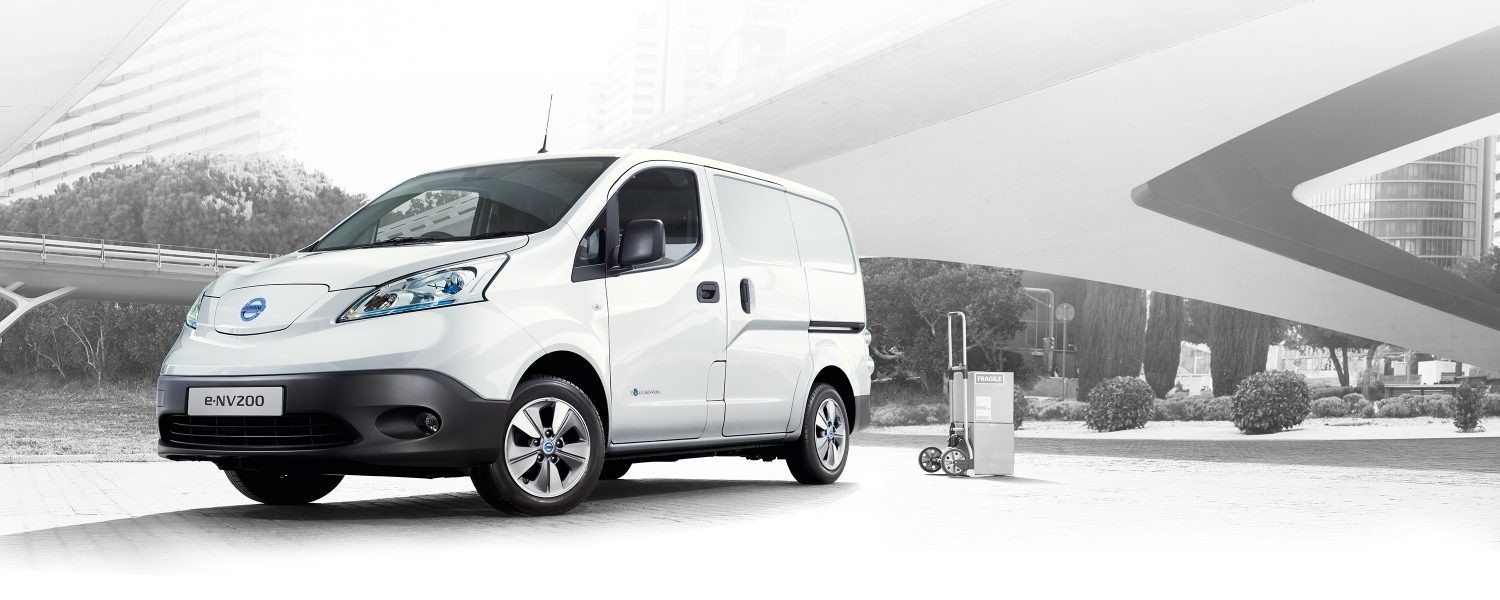
Let’s kick off with your ride. Believe it or not, not all vehicles are created equal when it comes to comfort and back health. Some are like sitting on a cloud, while others can feel like you’re sitting on a plank of wood. The type of vehicle you’re in can really impact how your back feels at the end of the day.
So, if you have the option, aim for a vehicle that’s got proper lumbar support and adjustable seats.
Let’s talk ergonomics. Sounds fancy but it’s really just about making sure your work environment, in this case, your vehicle, is as body-friendly as possible. Start with your seat. You’re going to want it at a height where your knees are at about the same level as your hips. Steering wheel too far away? Bring it a bit closer so you’re not leaning forward. Trust us, your back will thank you.
You wouldn’t run a marathon without warming up first, right? The same goes for sitting in the same position for ages. Your back muscles need some love, too. So, every now and then, like during fuel stops or when you’re waiting for a pick-up, get out and stretch a little. Try a few twists or even just touch your toes. A minute or two can work wonders and keep you from getting stiff.
So, to wrap it up, your vehicle choice can make a big difference, setting up your seat and steering wheel properly is a game-changer, and a bit of stretching goes a long way. Keeping these things in mind can help you avoid those nasty aches and make your driving life a whole lot better.
Winter brings a range of driving safety hazards. We have put together some safety tips to help those who plan to drive this winter!
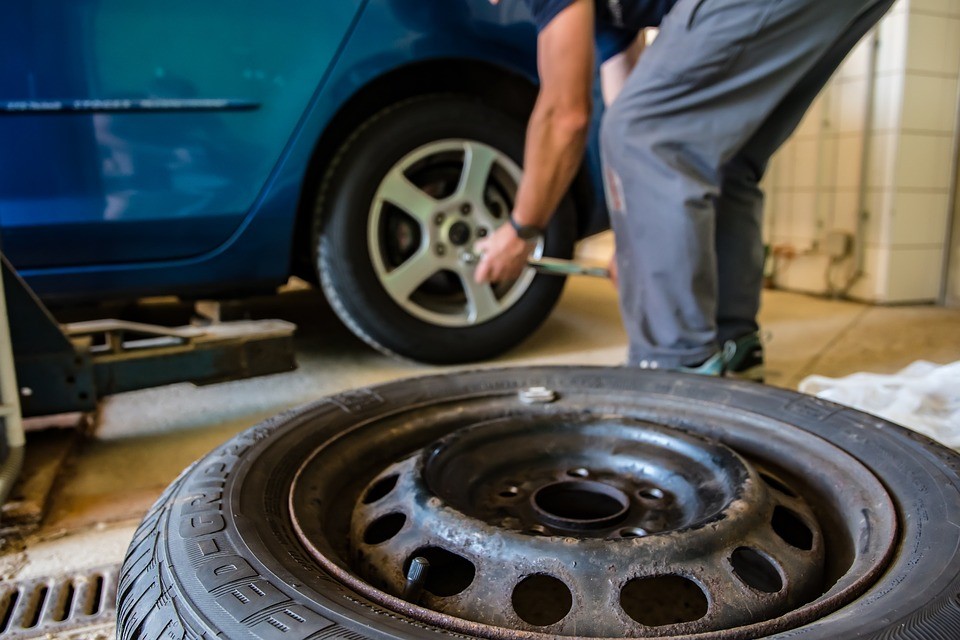
We are now in October and that means it is national tyre safety month. TyreSafe have organised a month-long tyre safety campaign dedicated to encouraging drivers to check their tyres regularly.
Winter 2019 is definitely on the way and we’re making sure all of our drivers are prepared for their courier runs as the weather turns. Following on from our blog on using Winter tyres, we wanted to share our advice on overall safe driving during the chilly season!
Make sure you’re prepared for the conditions in which you will be driving. Watch the weather forecast and keep an eye on it as the day progresses – who doesn’t have a weather app on their phone to check!
It’s best to have everything you need in your car, so a list of items would ideally include:
Listen to what other drivers are saying about the state of the roads and the traffic conditions. Social media has meant that people can share updates in real time, warning of accidents, jams and road closures to the local public so others can be aware.
Make sure you also share if there are problems. It really helps – forewarned is forearmed!
It’s also really handy to have the radio traffic reports on if your car stereo has the option. These come up every 20-30 minutes from the nearest station to your location with an update on the local roads. Traffic reports will interrupt whatever media you are listening to, so you don’t have to worry about missing them once the option is ON.
The obvious one – drive safely! Drive in accordance to the conditions, leaving larger braking distances in the wet or ice, and using your indicators so other road users know your intentions. Make sure your lights work properly and are on at the right times, including fog lights if the weather dictates. Remember also to turn fog lights off once you have driven through any foggy patches, as these can be blinding to other drivers, especially the rear fog light.
Whilst it’s not a legal requirement in the UK, some drivers choose to put “Winter tyres” on their cars as an extra safety measure during the icy months
We’ve compiled our list of driving safety advice and tips for driving in adverse Wintery conditions, including snow, ice, rain and wind. A lot of this is common sense but it always pays to be prepared, especially with poor visibility or slippery road surfaces! Safe driving to you all!