Get an Instant Quote
Category

Britain’s Roads

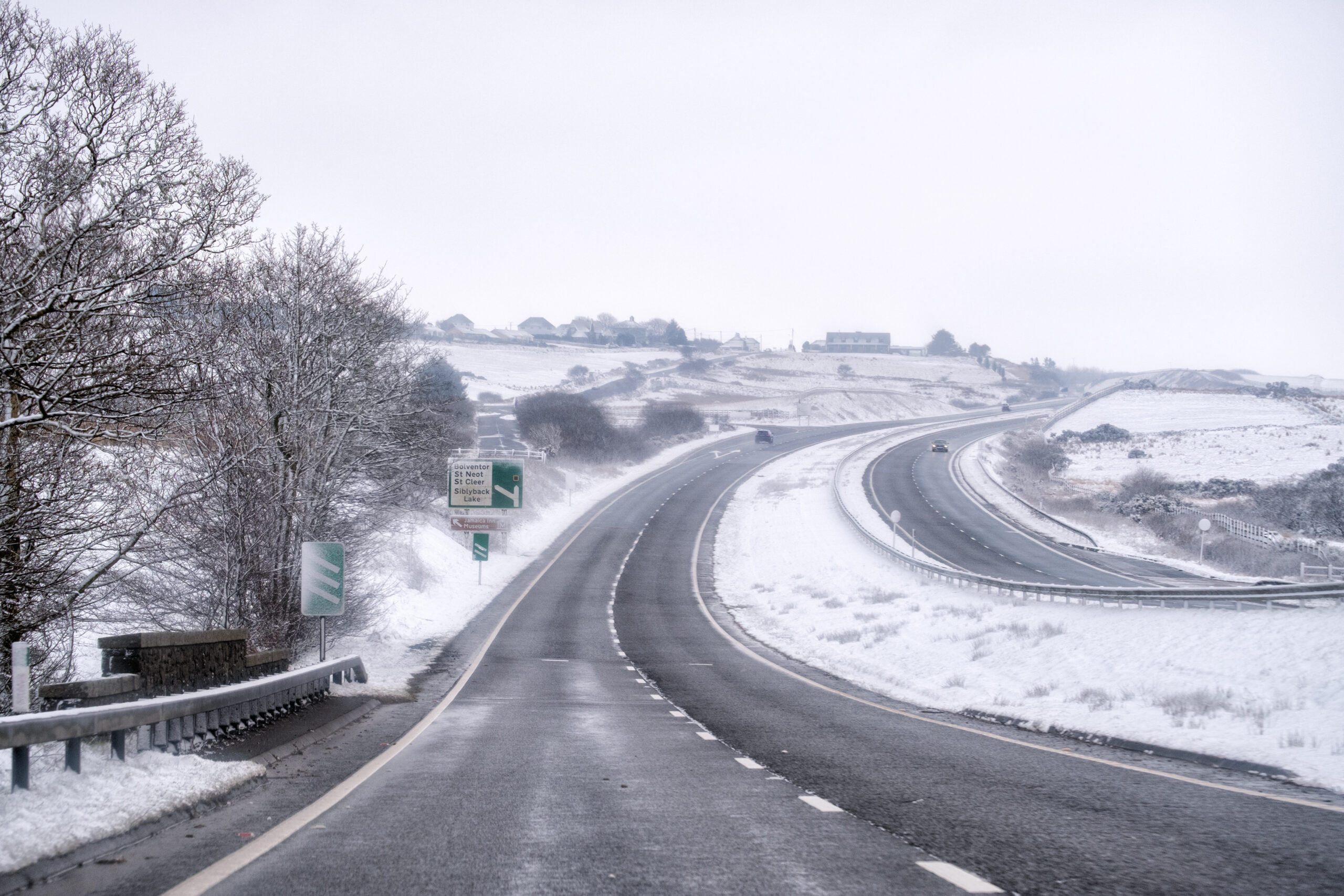
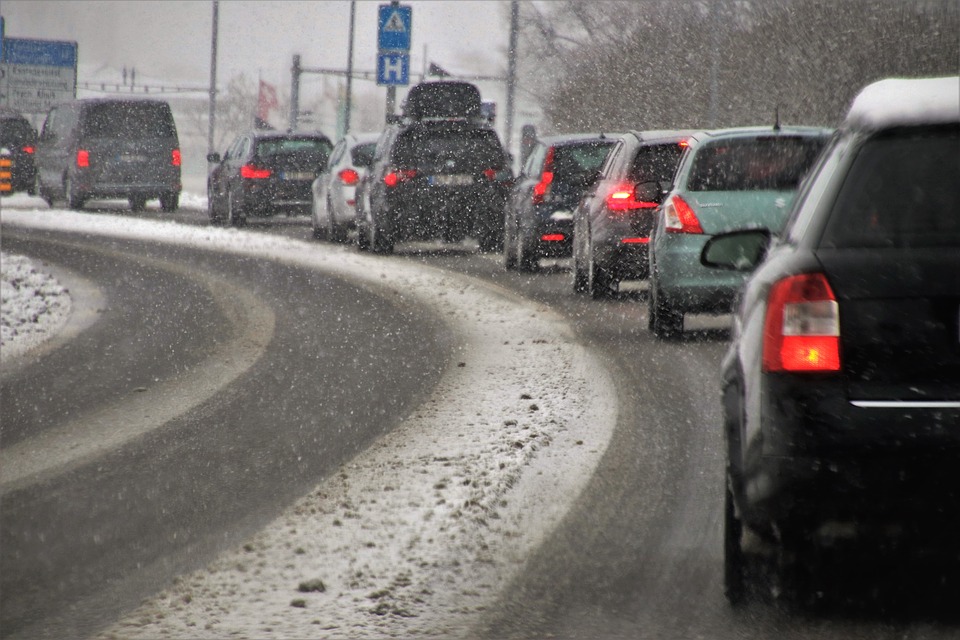
Snow on the motorway in south west england uk

Top Tips for Travelling on Winter Roads This Year

By | Britain's Roads | No Comments

Every year, we are faced with the same conditions: cold, wet, icy roads and sometimes our absolute nemesis – snow. All of which can make driving a lot trickier. However, we still get caught out! With a bit of prep, you can now avoid hassle and stay safe when the temperature drops, whether you get into an accident or are held up in its aftermath. Here are four simple ways to get ready for winter conditions and driving:

Check your tyres

Your tyres are your only contact with the road, so they need to be in good shape.

  • Make sure the tread depth is at least 3mm for better grip on wet or icy roads. Remember the minimum legal tyre tread depth is 1.6mm.
  • Check pressure regularly, as it can drop when the weather gets colder. Top up your tyres and take the car for a spin – reset any computer systems to make sure the data is accurate.
  • If you live in a rural or hilly area, consider switching to winter tyres for extra traction.


Keep an emergency kit in your car

You never know when you might get stuck or delayed. A small kit can make a big difference.
Consider keeping in your vehicle the following:

  • A warm blanket or extra coat
  • A torch with spare batteries
  • A phone charger or power bank
  • Snacks and bottled water
  • A small shovel and ice scraper

In addition, a first aid kit, puncture repair kit and phone numbers for breakdown and emergency contacts are essential to have all year round.


Stay topped up

Fluids matter more than you think when it’s cold and freezing outside.

  • Keep your fuel tank at least half full – it reduces condensation and ensures you’re not stranded if you hit traffic.
  • Use winter-grade screen wash that won’t freeze
  • Check your antifreeze levels to protect your engine


Plan before you drive

A few minutes of planning can save a lot of stress later.

  • Check the weather forecast and road updates before setting off, including any roadworks and accidents that may cause you further delays.
  • Allow extra time for your journey.
  • Keep your phone charged in case of breakdowns
  • Stick to main roads where possible – they’re more likely to be gritted

Do you have any top tips for travelling in wintery conditions? Let us know in the comments.

GOfers clean air zones

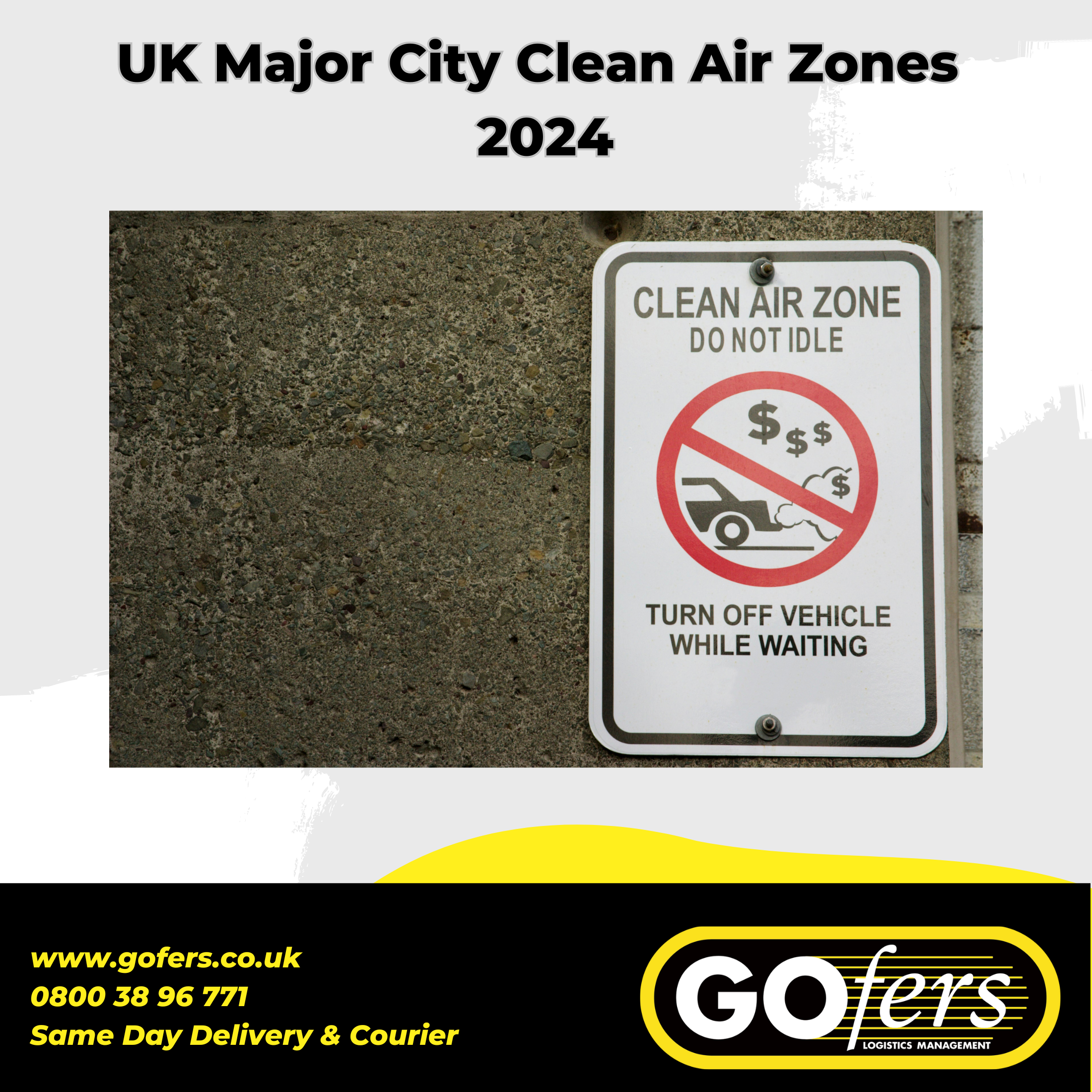
2024 List of UK Major City Clean Air Zones

By | Britain's Roads, Eco Awareness, Logistics Industry | No Comments

Clean Air Zones (CAZ) in the UK were first introduced in 2021, although plans had been in place since 2015 to take what was classed as the next step on from the Low Emission Zones (LEZ) and Ultra Low Emission Zones (ULEZ).  Clean Air Zones are also sometimes known as Zero Emission Zones (ZEZ).

CAZ Facts

  • There are two types of CAZ – charging and non-charging.
  • Drivers have to pay a fee to enter charging zones IF their vehicle doesn’t meet the environmental standards for emissions – these are based on the Euro Emissons Standard.
  • CAZ zones fall into 4 classes; A-D. These are very similar to the classes used in London’s ULEZ.
  • Local authorities for each area determine CAZ classes and all are regulated by the CAZ framework (introduced Feb 2020).
  • Bath was the first city to introduce a CAZ, in March 2021.

Class Information

  • A – applies to buses, coaches, taxis and privately hired vehicles only.
  • B – applies to buses, coaches, taxis, privately hired vehicles & heavy goods vehicles only.
  • C – applies to buses, coaches, taxis, privately hired vehicles, heavy goods vehicles and light goods vehicles.
  • D – applies to all vehicles except those exempt regardless of their emissions standard (such as historic vehicles, those with disabled drivers who pay passenger tax, or resident’s vehicles). Local authorities will govern these exemption rules.

Current (2024) list of UK city CAZs

  • Bath – Class C
  • Birmingham – Class D
  • Bradford – Class C
  • Bristol – Class D
  • Portsmouth – Class B
  • Tyneside (Newcastle and Gateshead) – Class C
  • Sheffield – Class C

Fees & Fines for CAZ

  • Local authorities will apply their own rules to fees and fines/penalties for vehicles using Clean Air Zones.
  • Fees to use a CAZ tend to be on a daily basis, so once you pay you can use the CAZ as much as you want within the day rate.
  • Some areas operate 24/7 and others have different “open” hours.

Other Low Emission Zones

  • Aberdeen – LEZ but this does not come into force until June 2024.
  • Dundee – Same as Aberdeen, this will commence from June 2024.
  • Edinburgh – Same as Aberdeen and Dundee.
  • Glasgow has operated a LEZ since 2018 but expanded this in 2023.
  • Oxford operates a ZEZ so only vehicles using batteries/fuel cells can enter for free.
  • London does not operate a CAZ; instead it has the largest 24/7 ULEZ in the world. It was expanded in 2023 to cover all London boroughs.

There are currently no CAZ in Wales, although this may change as Cardiff Council are reassessing their plans over carbon emissions and air pollution.

Resources